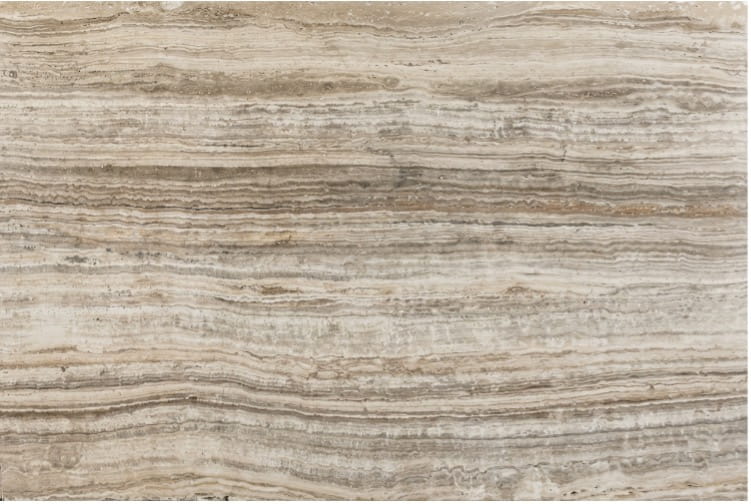
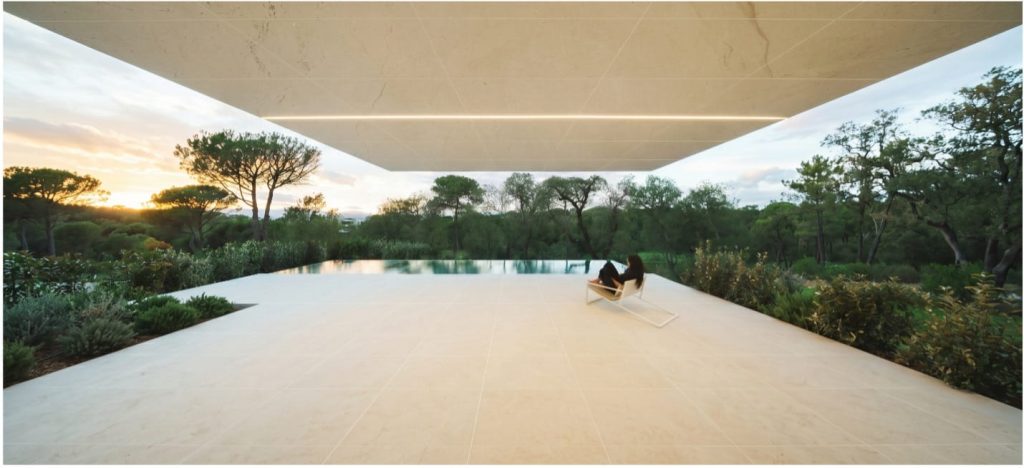
Layered stones are highly valued in contemporary architecture for their balance between calmness and natural texture.
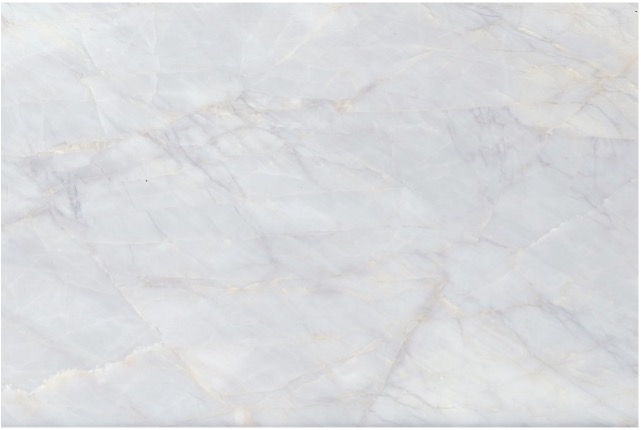
Cloudy Pattern
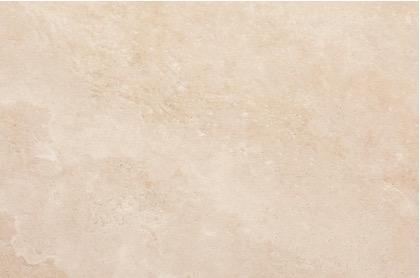
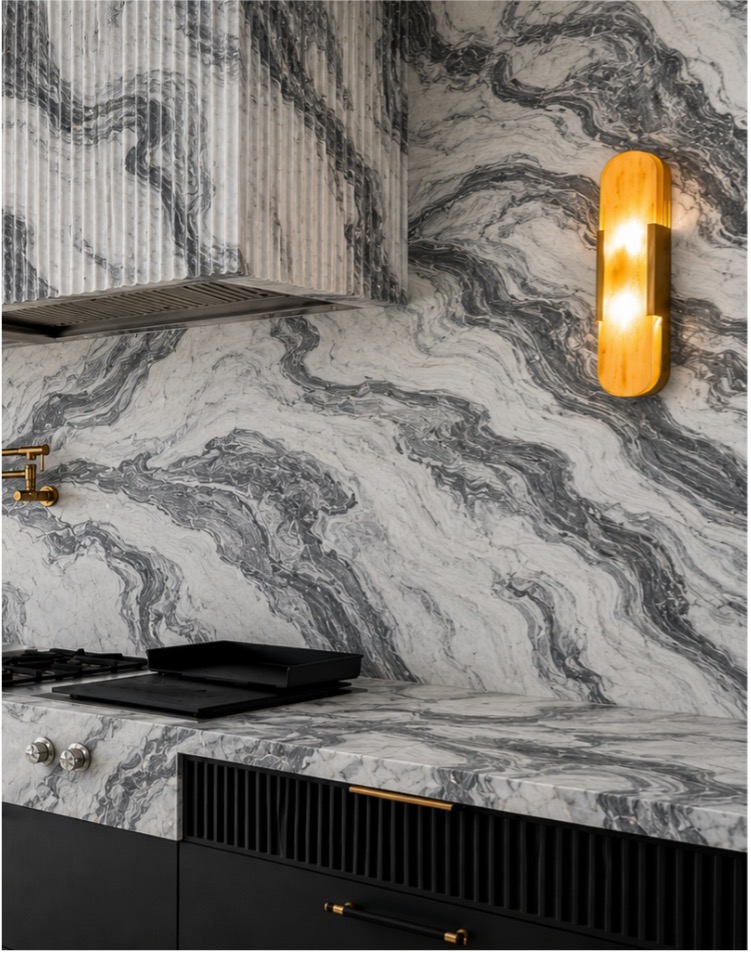
Cloudy patterns contain soft tonal transitions without strong directional movement. These stones typically create:
- smooth atmospheric surfaces
- visual softness
- calm material continuity
Cloudy marbles and limestones are often selected for:
- elegant residential interiors
- luxury hospitality
- large seamless flooring
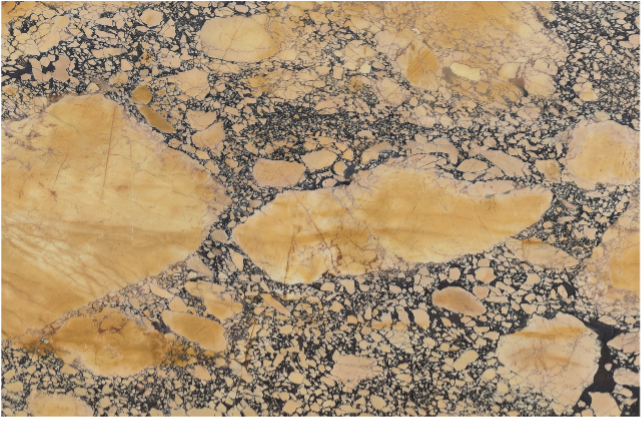
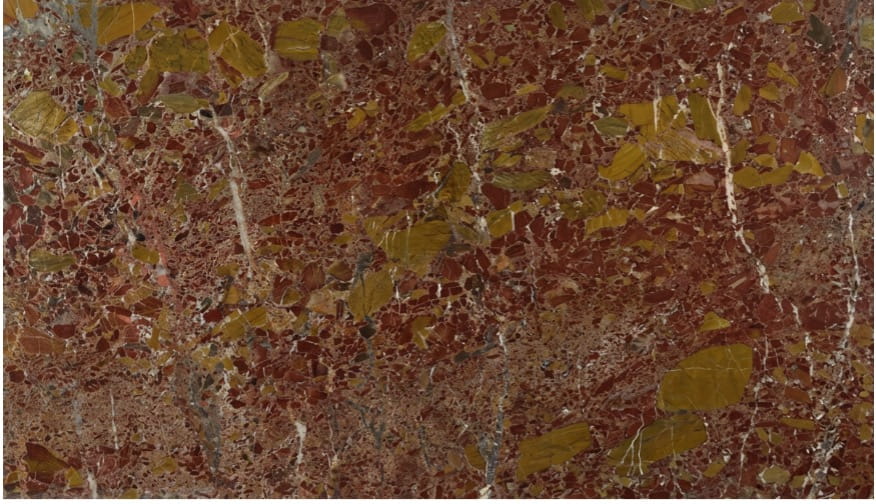
Brecciated Pattern
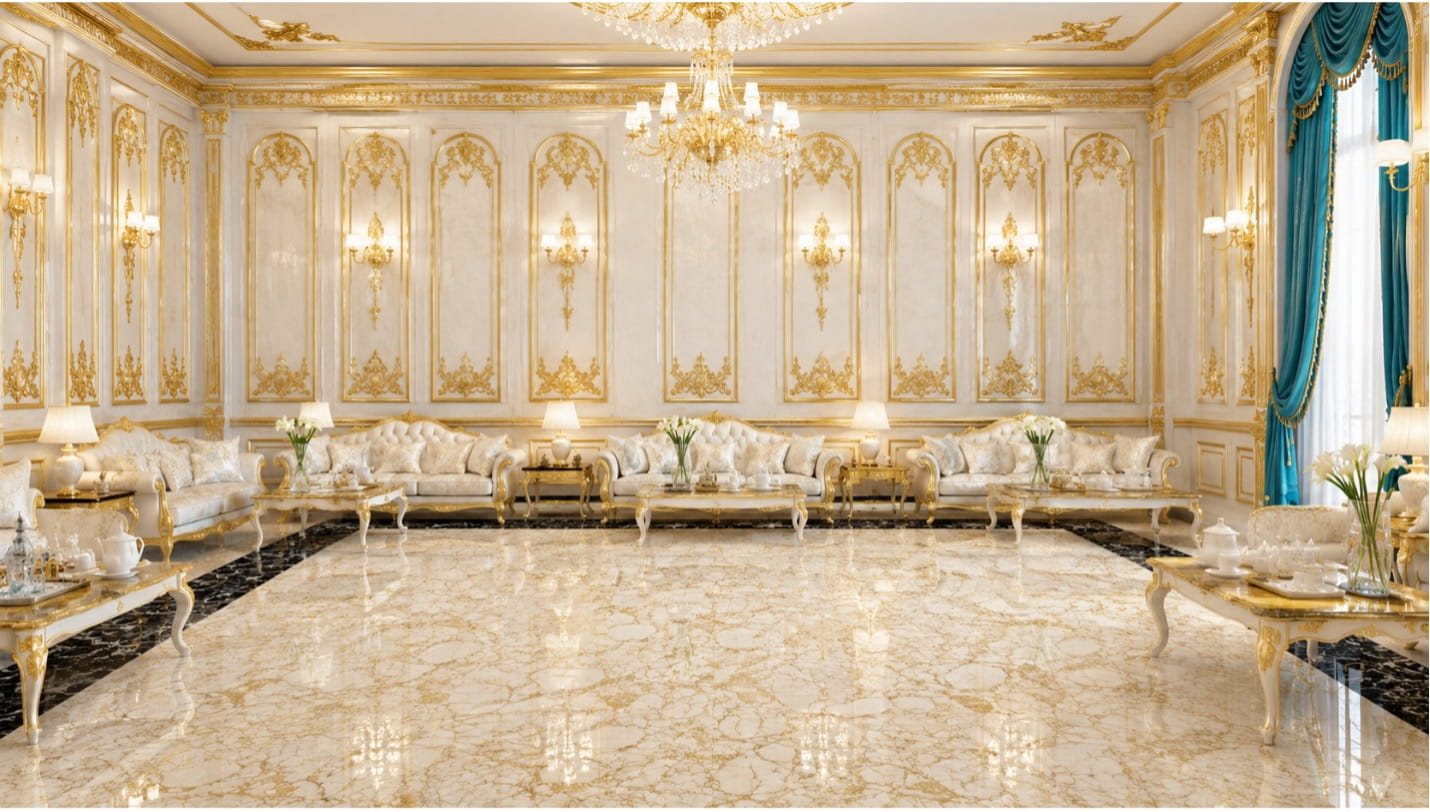
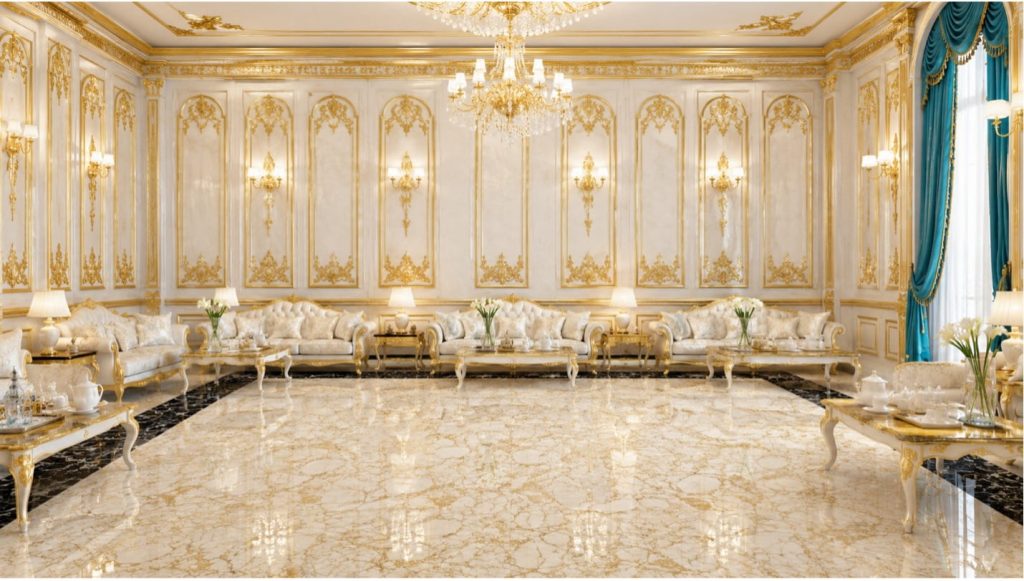
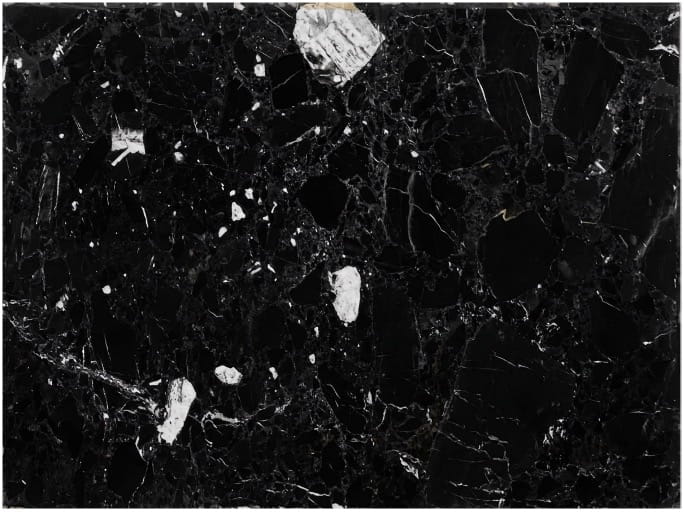
Brecciated stones contain fractured mineral fragments naturally fused together through geological processes. This creates:
- dramatic visual fragmentation
- strong contrast
- expressive compositions
Brecciated patterns are commonly associated with:
- classic luxury interiors
- feature walls
- statement applications
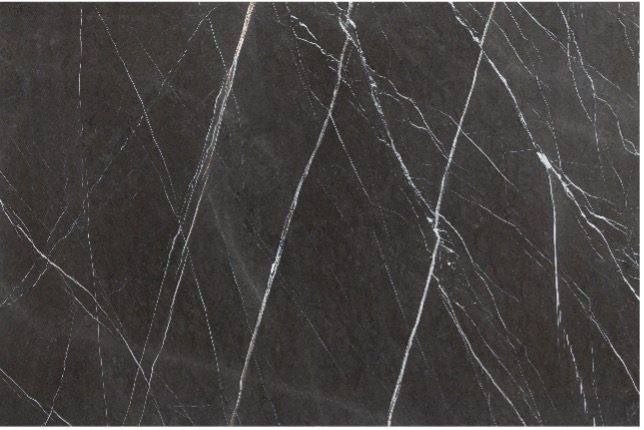
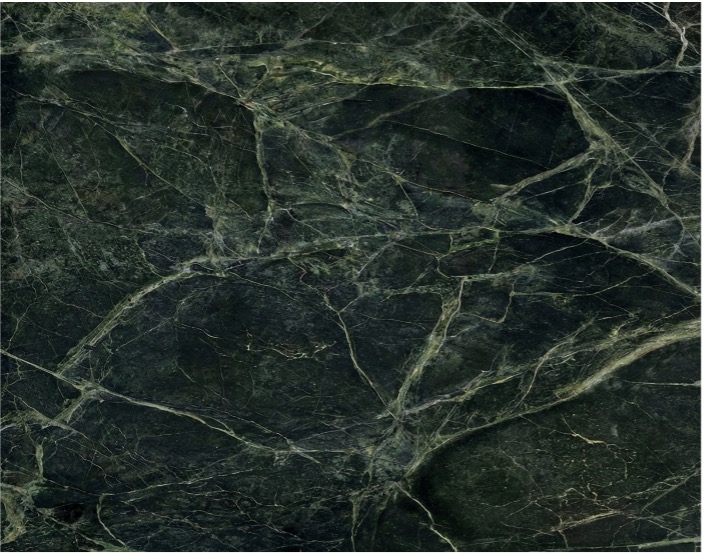
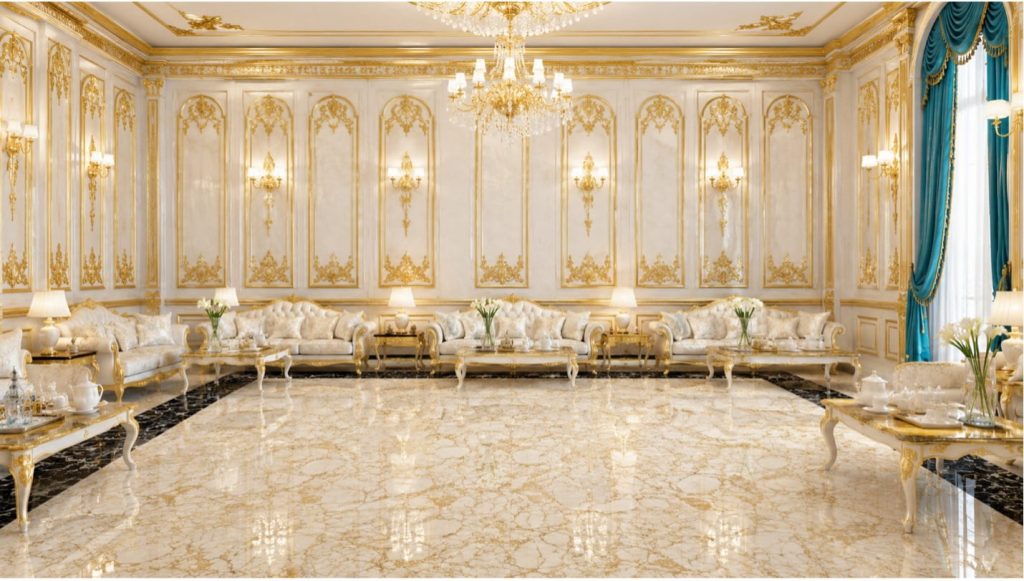
Spider-Web Pattern
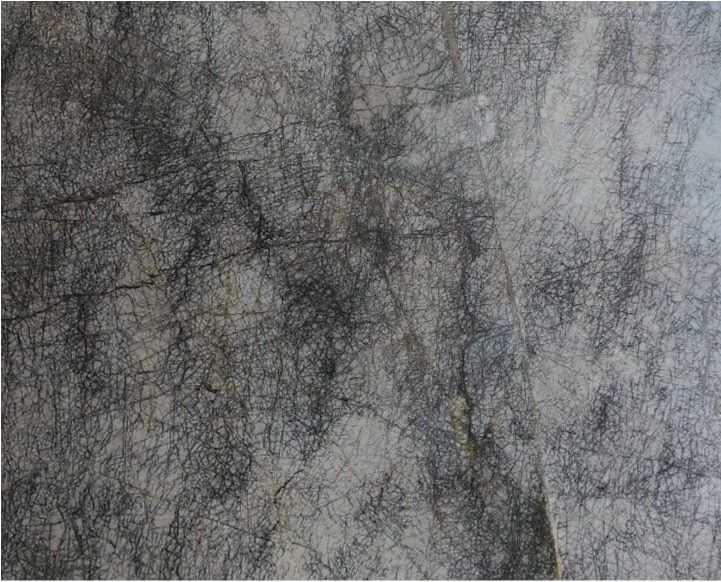
Spider-web stones contain dense intersecting veining structures resembling interconnected networks.
These highly expressive patterns often create:
- dramatic surfaces
- artistic visual complexity
- strong luxury character
They are typically used as focal materials rather than background surfaces.
Granular Pattern
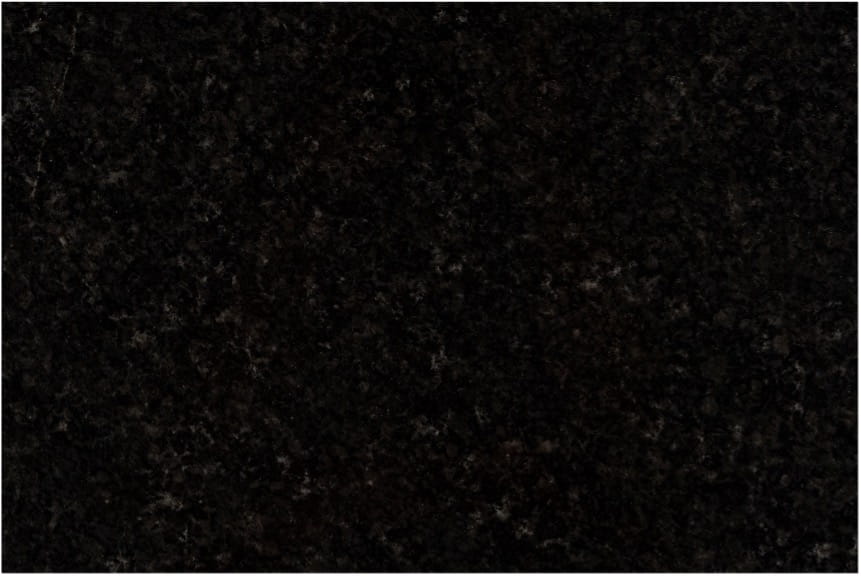
Granular patterns are formed through visible mineral grain distribution, commonly seen in granites and crystalline igneous stones.
These surfaces often provide:
- balanced texture
- visual consistency
- durability-oriented aesthetics
Granular stones are widely used in:
- urban architecture
- exterior paving
- high-traffic surfaces
- contemporary facades
Conglomeratic Pattern
Conglomeratic stones contain rounded or irregular geological fragments naturally bonded together. These patterns create:
- strong geological expression
- textural diversity
- natural visual movement
Conglomeratic structures are often highly distinctive and visually unique.
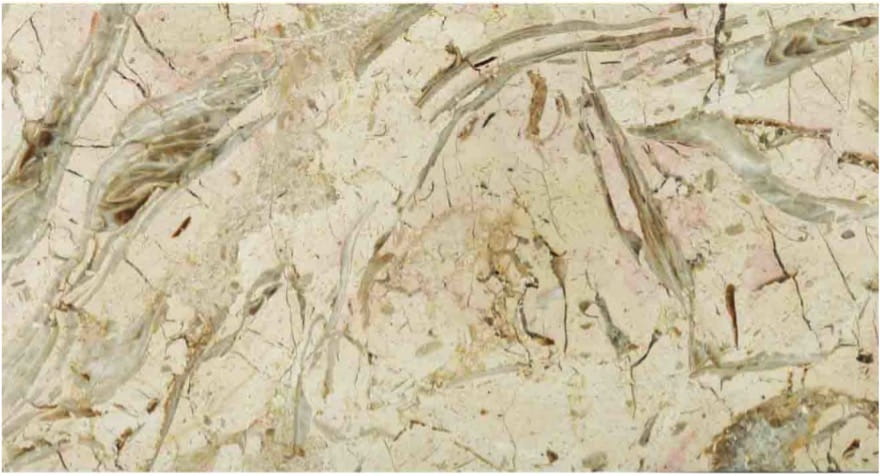
Fossiliferous Pattern
Fossiliferous stones contain visible fossil remnants preserved within the material over geological time. These patterns introduce:
- historical depth
- organic texture
- natural storytelling
Fossil-bearing limestones are frequently used in:
- luxury interiors
- hospitality projects
- culturally expressive architecture
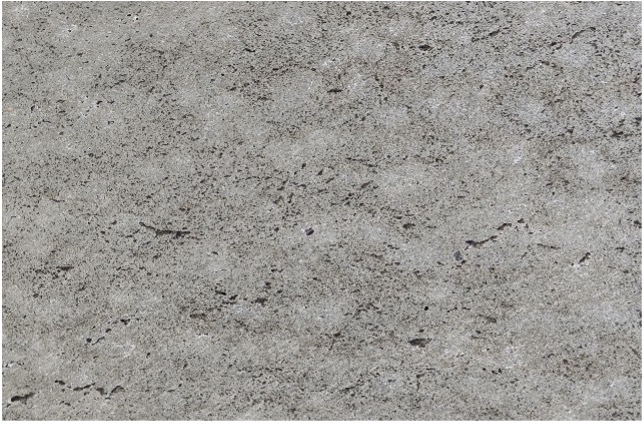
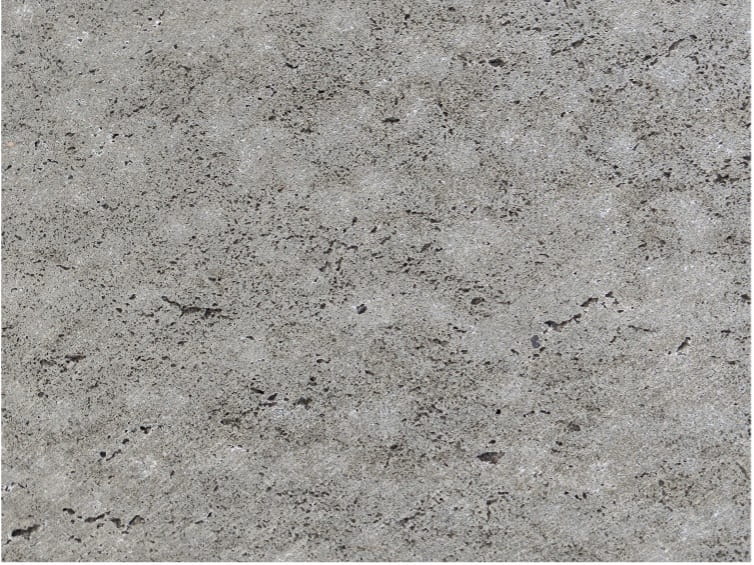
Vesicular Pattern
Vesicular stones contain naturally formed cavities created by trapped gases during volcanic activity. These porous structures often create:
- raw natural texture
- volcanic character
- organic surface movement
Vesicular stones are commonly appreciated in:
- rustic architecture
- contemporary organic design
- outdoor environments
Pattern and Architectural Atmosphere
Pattern strongly influences how spaces are emotionally perceived.
Calm Patterns
Cloudy, soft linear, and homogeneous granular patterns often support:
- minimal architecture
- wellness spaces
- contemporary calm interiors
Expressive Patterns
Brecciated, spider-web, dramatic veined, and conglomeratic stones introduce:
- visual energy
- luxury character
- sculptural identity
- dramatic focal points
Successful architecture often balances both calm and expressive materials within the same composition.
Pattern and Fabrication Strategy
Pattern also affects:
- slab orientation
- cutting direction
- seam visibility
- bookmatching potential
- vein continuity
- installation sequencing
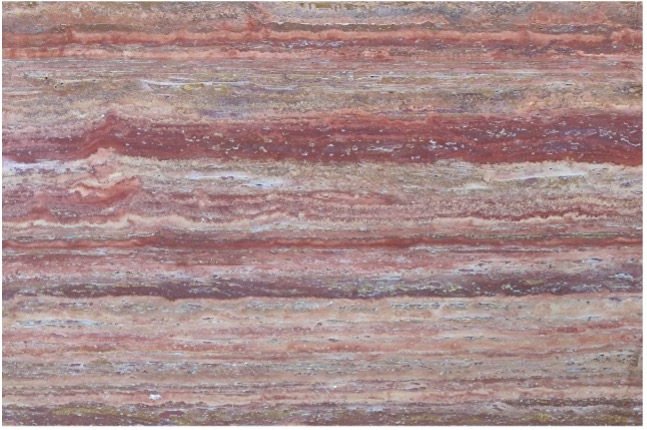
Directional patterns may require:
- careful slab mapping
- vein alignment
- coordinated fabrication planning
Highly expressive stones often benefit from:
- digital slab layouts
- full-scale mockups
- pre-approved sequencing
Pattern and Material Selection
Understanding pattern helps improve:
- architectural specification
- procurement accuracy
- client expectation management
- visual consistency
- project scalability
For large projects, selecting stone based solely on color is often insufficient. Pattern behavior across slabs can significantly affect the final architectural outcome.
Conclusion
Pattern is not merely decoration in natural stone. It is the visible expression of geological history translated into architecture. From soft atmospheric surfaces to highly dramatic compositions, pattern shapes:
- spatial identity
- emotional perception
- fabrication logic
- and material storytelling
As contemporary architecture increasingly embraces authenticity and material depth, understanding stone pattern becomes essential for creating spaces that are not only functional, but visually meaningful and architecturally distinctive.