


A Comprehensive Guide to Surface Treatments, Performance, and Architectural Applications
In the natural stone industry, the visual identity of a material is determined not only by its geological composition but also by the surface finish applied after extraction and fabrication. Two slabs cut from the same block can exhibit entirely different appearances, tactile characteristics, and performance properties depending on how their surfaces are processed. For this reason, surface finishing is considered one of the most critical stages in stone manufacturing, influencing everything from aesthetic perception and light reflection to slip resistance, maintenance requirements, weathering behavior, and architectural suitability.
Modern stone processing technologies have enabled architects and designers to move far beyond the traditional distinction between polished and unpolished surfaces. Today, a single stone can be transformed into a highly reflective luxury finish, a subtle contemporary matte surface, a deeply textured anti-slip paving material, or an expressive sculptural element. Understanding the differences between these finishes is therefore essential for selecting the right material for each application.
This article explores the most widely recognized stone finishes used in the international natural stone market, explaining how each finish is produced, how it interacts with different stone types, and where it performs best in architectural and design projects.
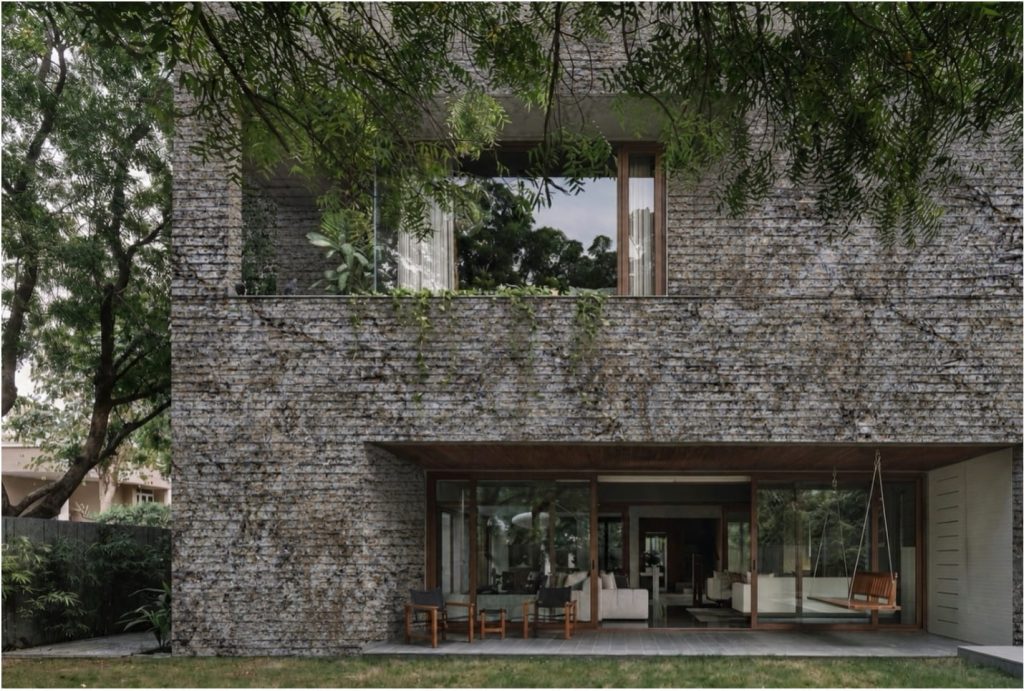
The Relationship Between Stone Type and Surface Finish
Before examining individual finishes, it is important to recognize that not all stones respond to surface treatments in the same manner. The mineralogical composition, grain size, porosity, hardness, and internal structure of a stone largely determine the final appearance that can be achieved.
Dense crystalline materials such as granite, quartzite, and many marbles can generally accept a wide range of finishes, from high-gloss polishing to heavily textured treatments. Travertine and limestone, being more porous and sedimentary in nature, often exhibit softer textures and require special consideration when subjected to aggressive finishing processes. Onyx, valued for its translucency and dramatic veining, is typically processed with finishes that preserve light transmission and visual depth. Volcanic stones such as basalt and gabbro respond particularly well to thermal and mechanical texturing methods due to their mineral structure and durability.
As a result, the same finish may produce significantly different visual and technical outcomes when applied to different stone families.
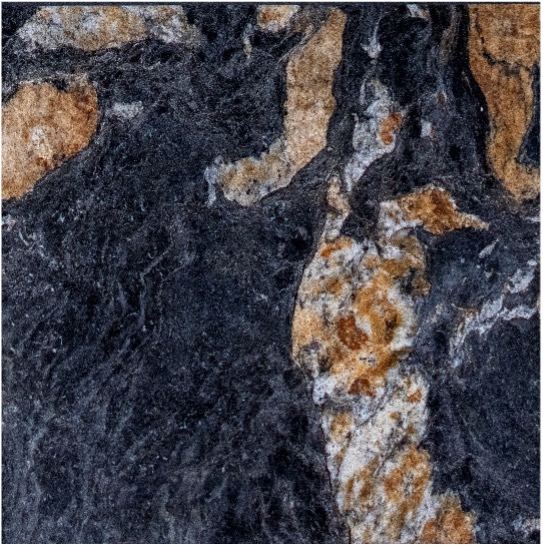
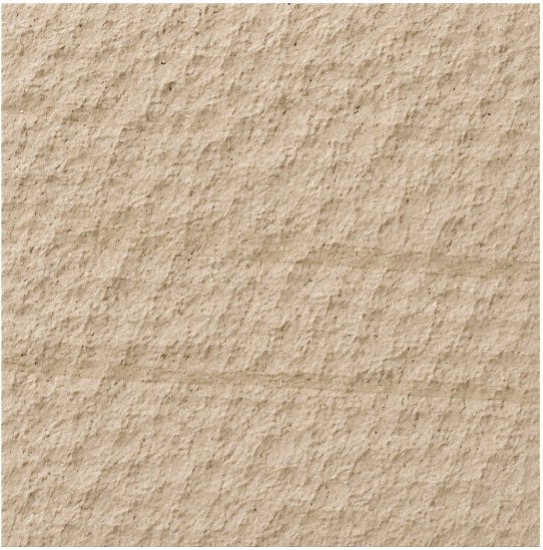
Polished Finish: Maximizing Depth, Reflection, and Color
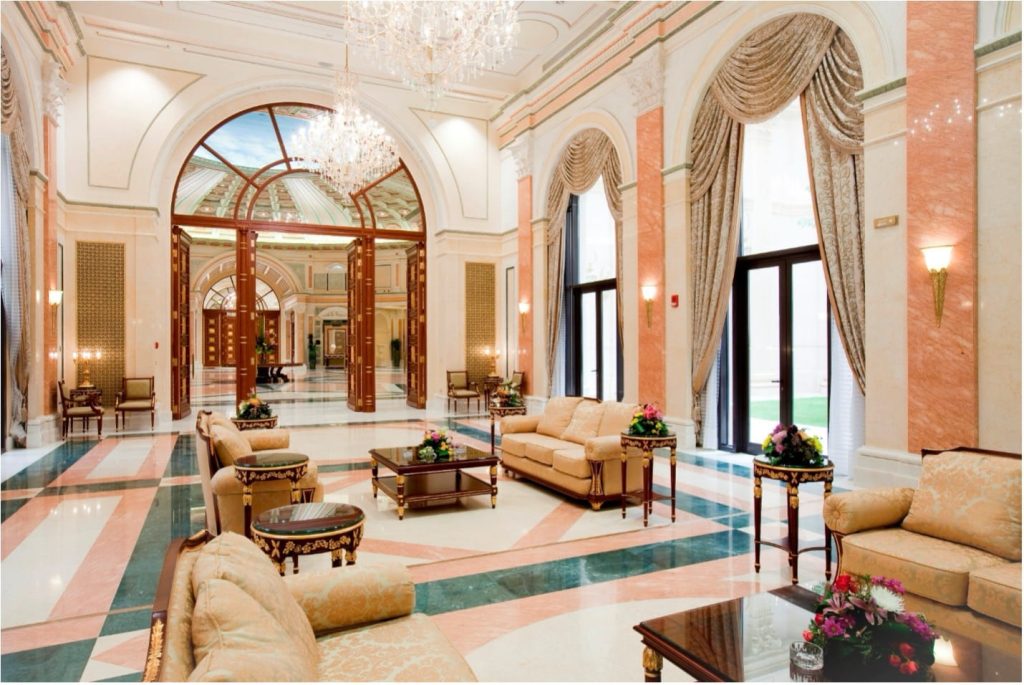
The polished finish remains the most recognized and commercially successful surface treatment in the natural stone industry. Produced through a sequence of progressively finer abrasive operations, polishing removes microscopic surface irregularities until a highly reflective surface is achieved. In industrial production, diamond abrasives gradually refine the stone surface before polishing compounds create the final gloss level.
The resulting appearance emphasizes color saturation, mineral clarity, and veining contrast to the greatest extent possible. Marble and onyx often achieve remarkable visual depth under polished finishes, while granites and quartzites can develop mirror-like reflectivity with exceptional durability.
Because polished surfaces reflect light efficiently, they are frequently specified for luxury interiors, hotel lobbies, reception areas, feature walls, countertops, and high-end residential projects. However, this same reflectivity reduces slip resistance, making polished finishes less suitable for exterior paving and wet environments.
Among industry professionals, polished stone is often considered the benchmark against which all other finishes are compared, as it reveals the maximum visual potential of the material.
Honed Finish: Contemporary Elegance Through Controlled Refinement
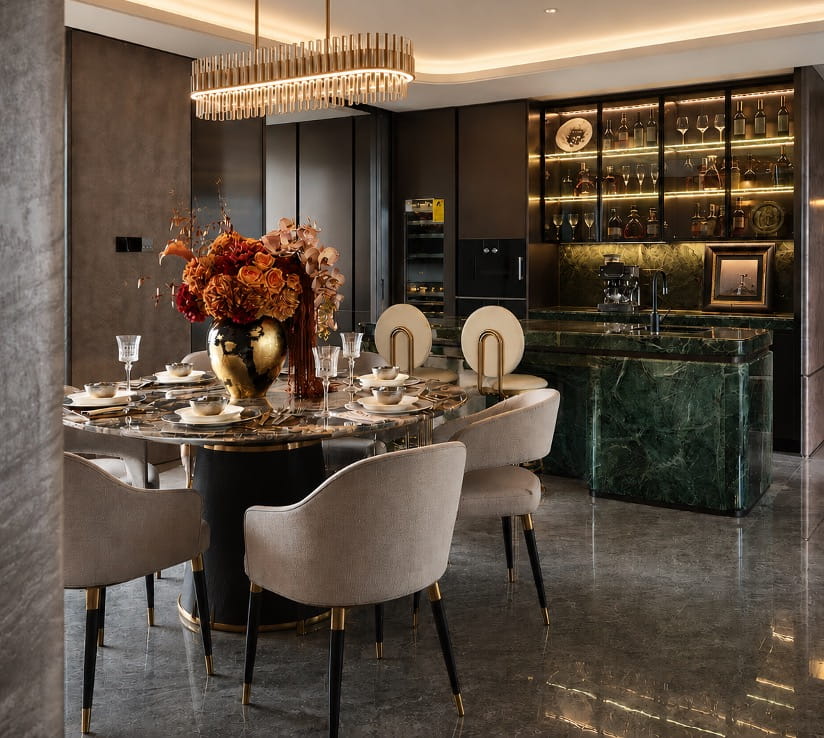
The honed finish is often described as the refined alternative to polishing. Although the stone undergoes a similar grinding process, the fabrication sequence stops before a reflective surface is created. The result is a smooth, matte appearance that preserves the natural character of the stone while reducing glare and visual intensity.
Over the past two decades, honed surfaces have become increasingly popular in contemporary architecture due to their understated aesthetic. Unlike polished finishes, which amplify color and contrast, honed surfaces present a softer and more uniform appearance. This quality is particularly valued in minimalist interiors, wellness spaces, luxury bathrooms, and large-format flooring applications.
Marbles finished with a honed surface often exhibit a sophisticated and timeless character, while limestones and travertines develop a warm and natural appearance. Another practical advantage is that scratches, etching, and everyday wear tend to be less noticeable than on highly polished surfaces.
For many architects, the honed finish represents the ideal balance between elegance, practicality, and visual restraint.
Leathered Finish: Enhancing Texture Without Sacrificing Sophistication
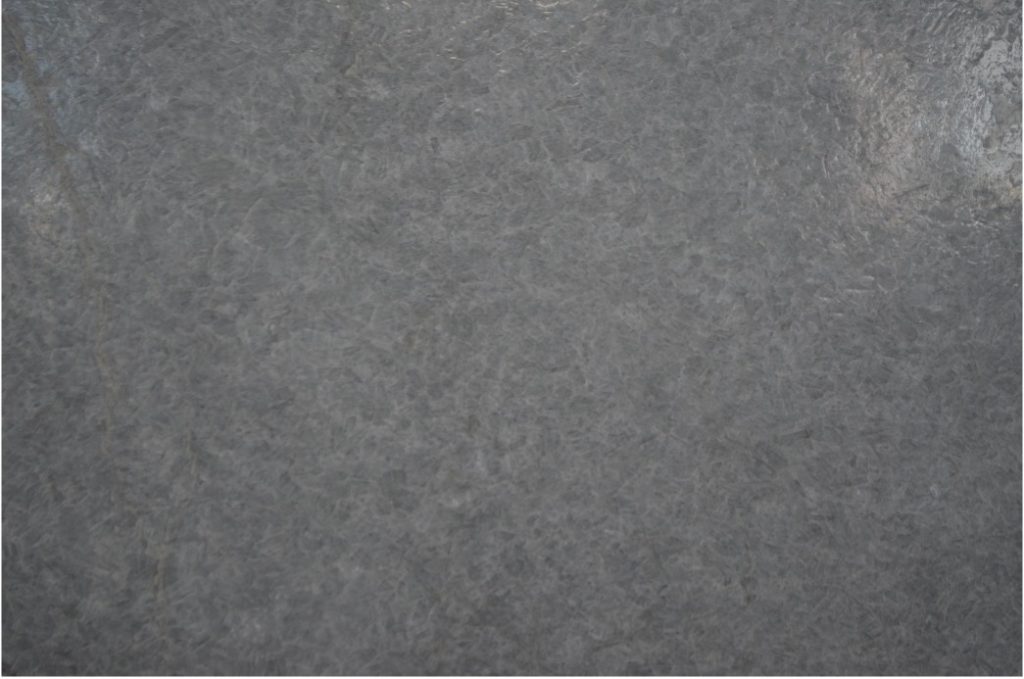
One of the most significant developments in modern stone finishing is the rise of the leathered finish, sometimes marketed under names such as brushed, antique brushed, or textured satin finish. This surface treatment begins with a honed stone that is subsequently processed using specialized abrasive brushes.
Rather than creating a uniform texture, the brushing process selectively removes softer minerals while preserving harder components within the stone structure. This differential abrasion creates subtle topography across the surface, resulting in a finish that feels textured while remaining comfortable to the touch.
Leathered finishes have become particularly popular for granites and quartzites, where mineral variation generates rich tactile depth. On darker stones, the finish often enhances color while minimizing fingerprints and watermarks, making it especially attractive for kitchen countertops and high-use surfaces.
Unlike heavily textured finishes, leathered stone retains a refined appearance while introducing greater material authenticity and tactile engagement. This combination of practicality and visual sophistication has contributed significantly to its growing popularity among architects and interior designers worldwide.
Tumbled Finish: Recreating the Character of Time
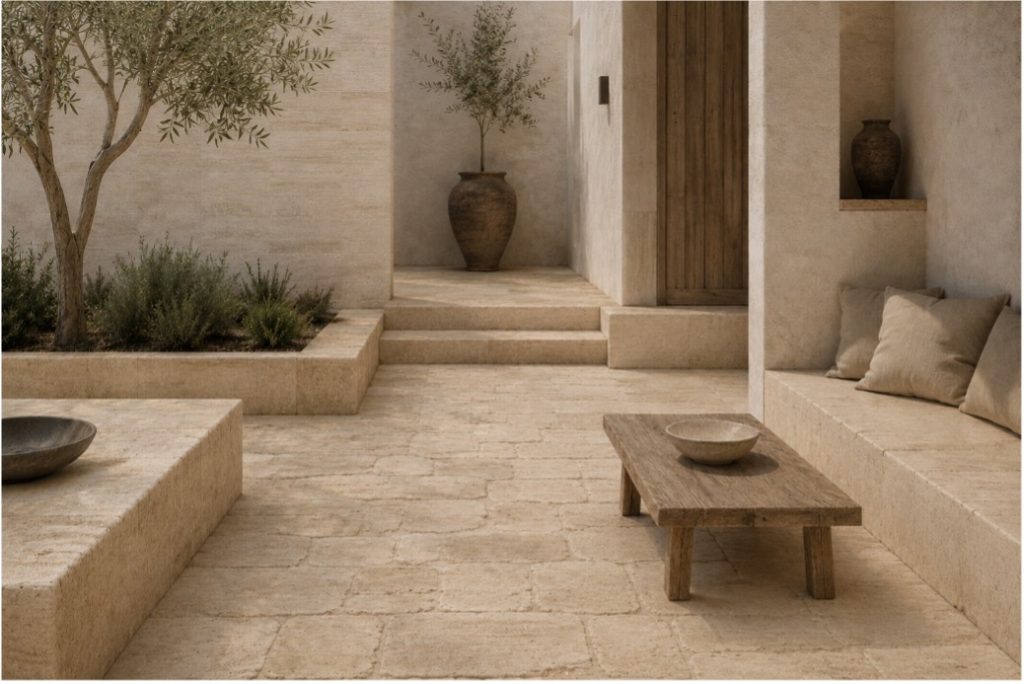
The tumbled finish is designed to simulate the appearance of naturally aged stone. During production, stone pieces are placed inside rotating drums containing abrasives, water, and other media. Continuous impact softens edges, rounds corners, and gently distresses the surface.
The resulting material possesses a weathered character often associated with historic architecture and traditional Mediterranean design. Travertine, limestone, and marble are particularly well suited to this process, producing surfaces that appear as though they have been shaped by decades or even centuries of use.
Because of its relaxed and organic appearance, tumbled stone is commonly specified for rustic interiors, courtyards, landscape projects, and heritage-inspired developments. The finish is valued not for precision or uniformity, but for the sense of authenticity and age it introduces to a space.
Sandblasted Finish: Controlled Texture Through Abrasive Projection
Sandblasting is a mechanical surface treatment in which abrasive particles are projected at high velocity against the stone surface. This process erodes the outermost layer of the material, producing a finely textured and uniformly matte finish.
Compared with bush-hammering, sandblasting creates a more subtle texture while still improving slip resistance and reducing glare. The finish is particularly effective for exterior paving, public walkways, pool surrounds, and architectural facades where safety and durability are important considerations.
Different stone types respond uniquely to sandblasting. Fine-grained stones often develop a uniform texture, while coarser materials reveal greater mineral differentiation. This characteristic can enhance visual interest while maintaining a clean and contemporary appearance.
Bush-Hammered Finish: Maximum Grip and Architectural Expression
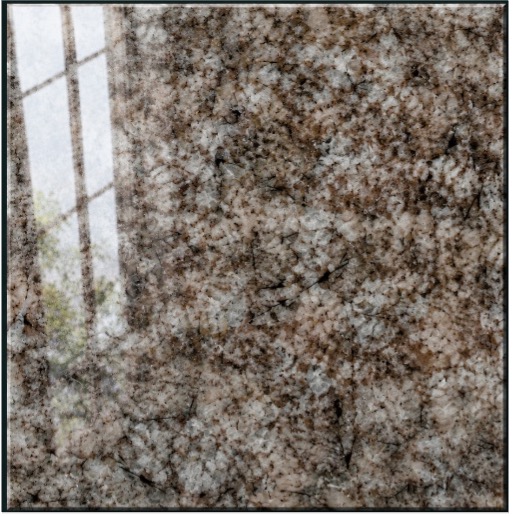
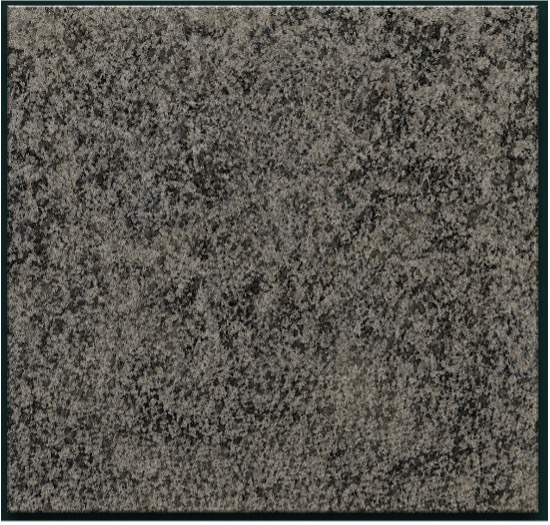
Among all mechanical stone finishes, bush-hammering produces one of the most distinctive textures. Using pneumatic or mechanical hammers fitted with multiple hardened points, the surface is repeatedly impacted to create a dense pattern of indentations.
The finish dramatically increases slip resistance and creates a strong architectural presence. It is widely used in urban infrastructure, public plazas, transportation projects, stair treads, ramps, and exterior paving where pedestrian safety is a priority.
Granite, basalt, and dense limestones respond particularly well to bush-hammering due to their strength and durability. The resulting surface exhibits a rugged, robust character that communicates permanence and structural integrity.
In contemporary architecture, bush-hammered finishes are increasingly employed not only for functional reasons but also as deliberate design features that emphasize texture, shadow, and material authenticity.
Flamed Finish: Harnessing Thermal Energy to Reveal Natural Texture
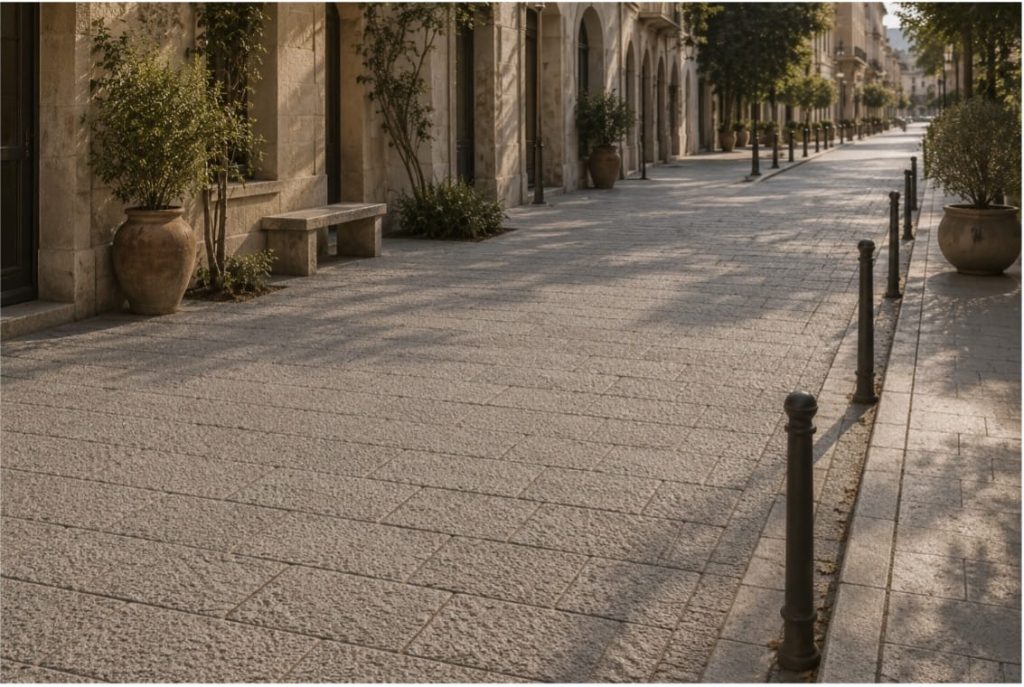
The flamed finish, also known as thermal finishing, is achieved by exposing the stone surface to an intense flame generated by specialized torches. Rapid heating causes certain minerals to expand and fracture, producing controlled micro-spalling across the surface.
This process creates a rough texture with excellent slip resistance and a distinctly natural appearance. Granite, basalt, and other igneous stones are particularly suitable because their mineral structures can withstand thermal shock while developing attractive textures.
Flamed surfaces are frequently specified for exterior paving, commercial plazas, driveways, and pool decks. Their ability to maintain traction under wet conditions makes them one of the most practical finishes for outdoor applications.
Sedimentary stones and highly crystalline decorative materials such as onyx are generally unsuitable for thermal finishing due to their structural characteristics.
Rock Face and Split Face Finishes: Celebrating Natural Fracture
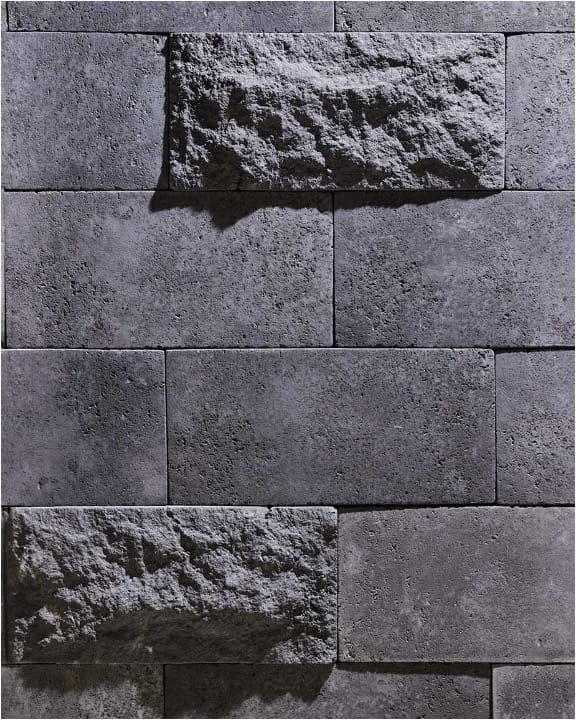
Among the most visually dramatic stone finishes are Rock Face and Split Face surfaces, often referred to internationally as Natural Split, Pitch Face, or Rock-Faced finishes. Unlike abrasive or thermal treatments, these finishes are created by splitting the stone along natural fracture planes.
The resulting surface retains the raw character of the material, featuring substantial relief, irregular texture, and pronounced shadow effects. Because the finish reflects the stone’s natural geological structure, no two pieces appear identical.
Rock-faced materials are widely used in facades, retaining walls, landscape architecture, monumental projects, and feature walls. Their appeal lies in their ability to express the inherent power and authenticity of natural stone while creating strong visual depth.
Waterjet Texturing: Precision Surface Engineering
Advances in fabrication technology have introduced high-pressure waterjet texturing as a modern alternative to traditional mechanical treatments. Using extremely high-pressure water streams, manufacturers can selectively erode surface material without introducing thermal stress or mechanical impact.
Waterjet finishes offer exceptional control over texture depth and patterning, allowing designers to achieve highly customized surfaces. Depending on the equipment and programming, finishes can range from subtle matte textures to deeply sculpted reliefs.
Although less common than traditional finishes, waterjet technology is increasingly utilized in luxury projects where precision, uniqueness, and material preservation are priorities.
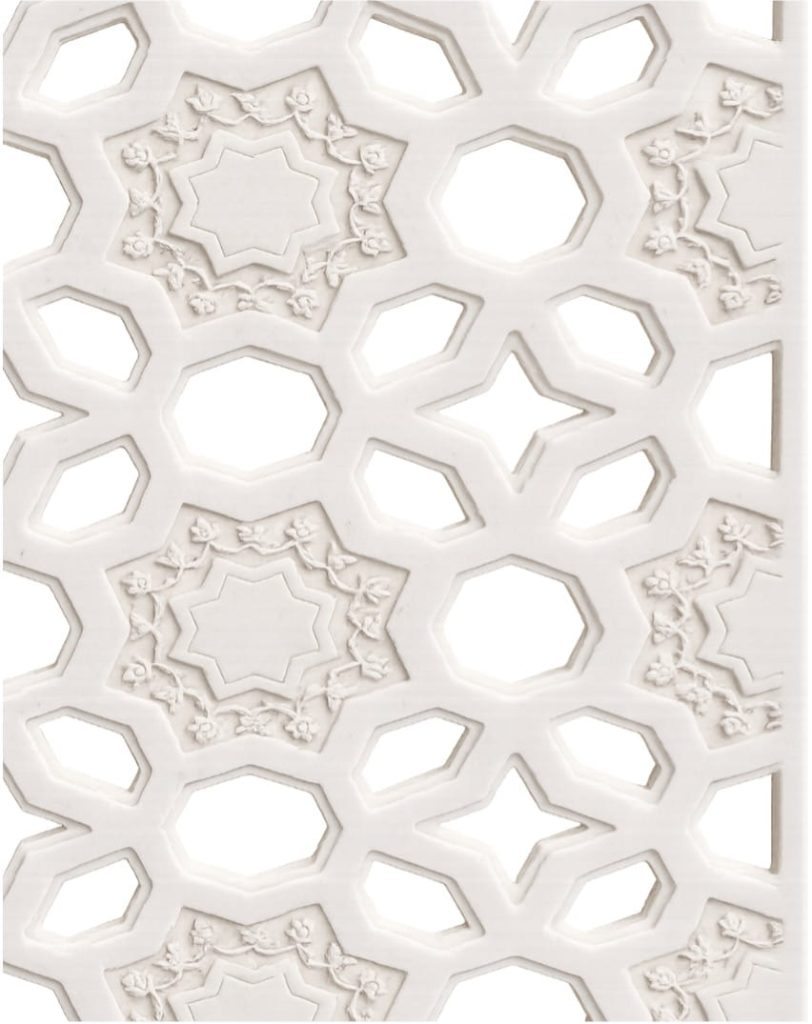
Linear Textures, Scratched Finishes, and Decorative Cut-Broken Surfaces
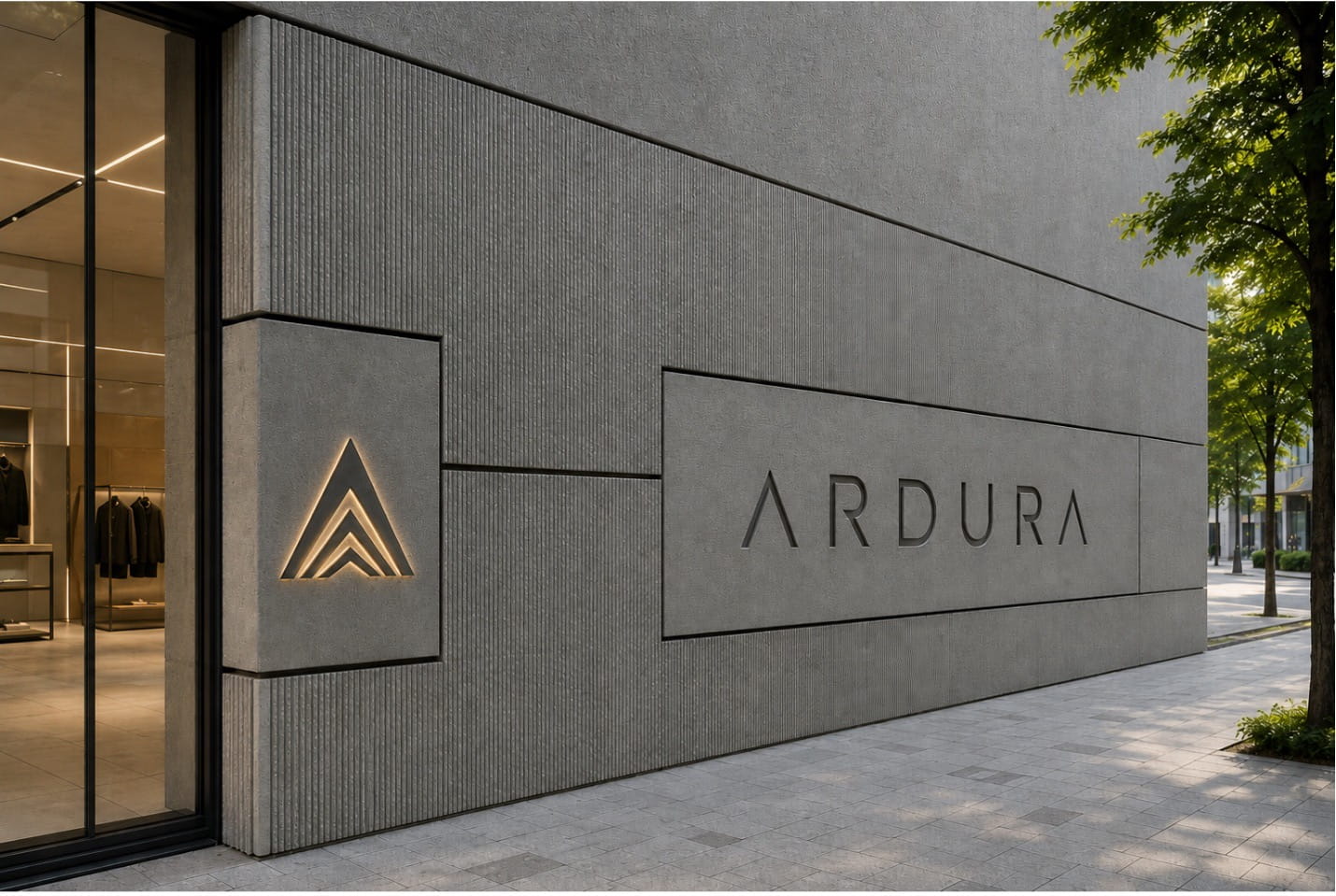
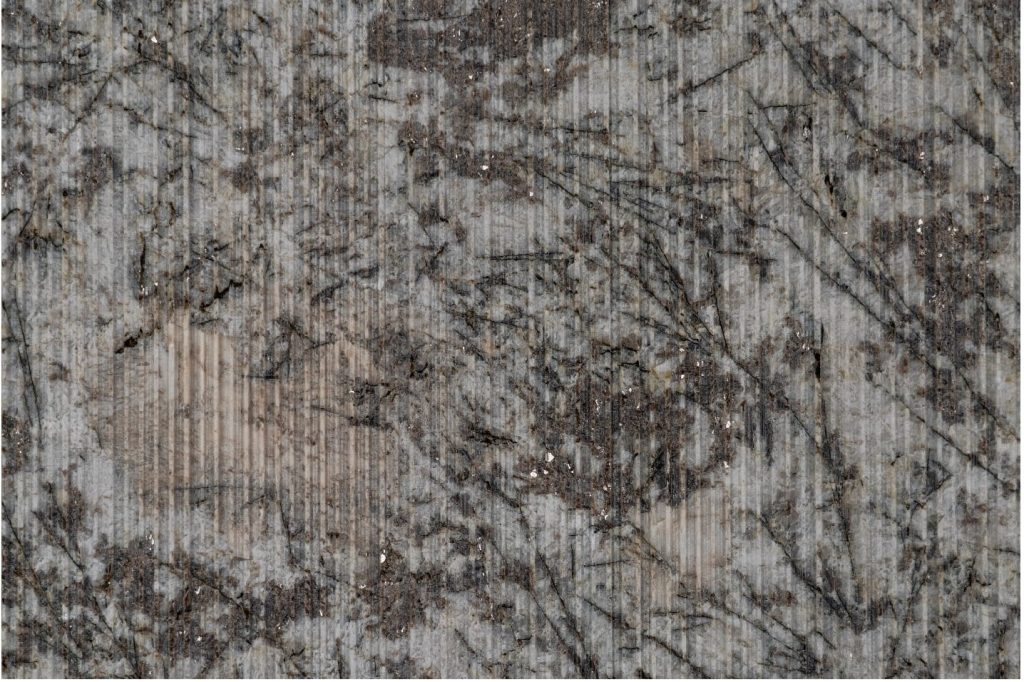
In recent years, architects have increasingly embraced directional and patterned textures that introduce movement and visual rhythm to stone surfaces. These finishes are often marketed under names such as Scratched Finish, Grooved Finish, Linear Finish, Chiseled Finish, or Cut-Broken Finish.
Produced using specialized blades, chisels, rollers, or CNC equipment, these treatments create controlled linear textures that interact dynamically with light and shadow. The resulting surfaces offer a contemporary architectural language that differs significantly from traditional polished or textured finishes.
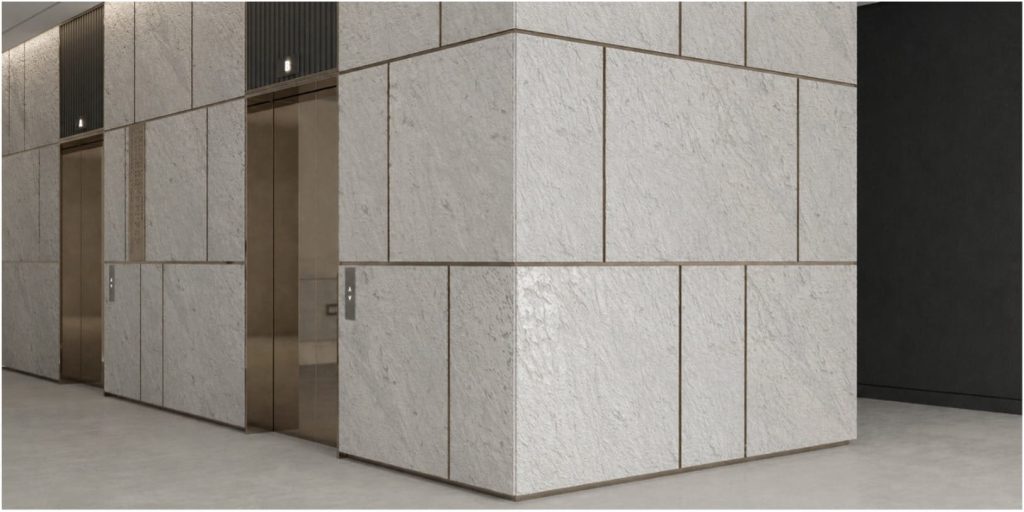
Such finishes are particularly effective in hospitality projects, commercial interiors, feature walls, and bespoke architectural installations where visual identity is a key design objective.
Emerging Decorative Finishes in Contemporary Stone Design
As digital fabrication technologies continue to evolve, a growing number of decorative finishes are entering the international market. Among the most prominent are Silk Finish, Velvet Finish, Lapatura, Bamboo Finish, Wave Finish, River-Washed Finish, CNC-Carved Textures, and Ice Finish.
Many of these treatments occupy the space between traditional categories, combining elements of polishing, brushing, carving, and texturing to create entirely new sensory experiences. Their popularity reflects a broader shift within architecture toward surfaces that engage both visual and tactile perception.
Rather than focusing solely on color and pattern, contemporary stone design increasingly explores how texture, light interaction, and material depth contribute to the overall architectural experience.
Conclusion
Surface finishing is one of the most powerful tools available in natural stone design. Beyond aesthetics, a finish influences durability, maintenance, slip resistance, weathering performance, and the emotional character of a space. While polished surfaces maximize visual depth and luxury, honed finishes offer restraint and practicality. Leathered treatments introduce tactile richness, while bush-hammered, flamed, and sandblasted finishes provide performance advantages in demanding environments.
No finish should be considered universally superior. The optimal choice emerges from the interaction between stone type, project requirements, environmental conditions, and design intent. Understanding these relationships allows architects, designers, fabricators, and clients to fully realize the extraordinary versatility of natural stone in contemporary architecture.
Comparison Table
| Finish | Gloss | Texture | Slip Resistance | Typical Use | Best Stone Types |
| Polished | Very High | Smooth | Low | Luxury interiors | Marble, Granite, Onyx, Serpentinite |
| Honed | Low | Smooth | Medium | Floors, Bathrooms | Marble, Limestone, Travertine, Serpentinite |
| Leathered | Low-Medium | Light Texture | Medium-High | Countertops | Granite, Quartzite, Serpentinite, Marble |
| Tumbled | Very Low | Weathered | High | Rustic Design | Travertine |
| Sandblasted | Very Low | Fine Texture | High | Exterior Paving | Granite, Limestone, Travertine |
| Bush-Hammered | Very Low | Heavy Texture | Very High | Public Spaces | Granite, Basalt |
| Rock Face | None | Natural Relief | Very High | Facades | Limestone, Travertine |
| Waterjet | Low | Controlled Relief | High | Feature Walls | Marble, Limestone, Serpentinite |
| Flamed | Very Low | Rough | Very High | Exterior Paving | Granite, Basalt |
| Scratched | Low | Linear Texture | High | Decorative Walls | Most Stone Types |
