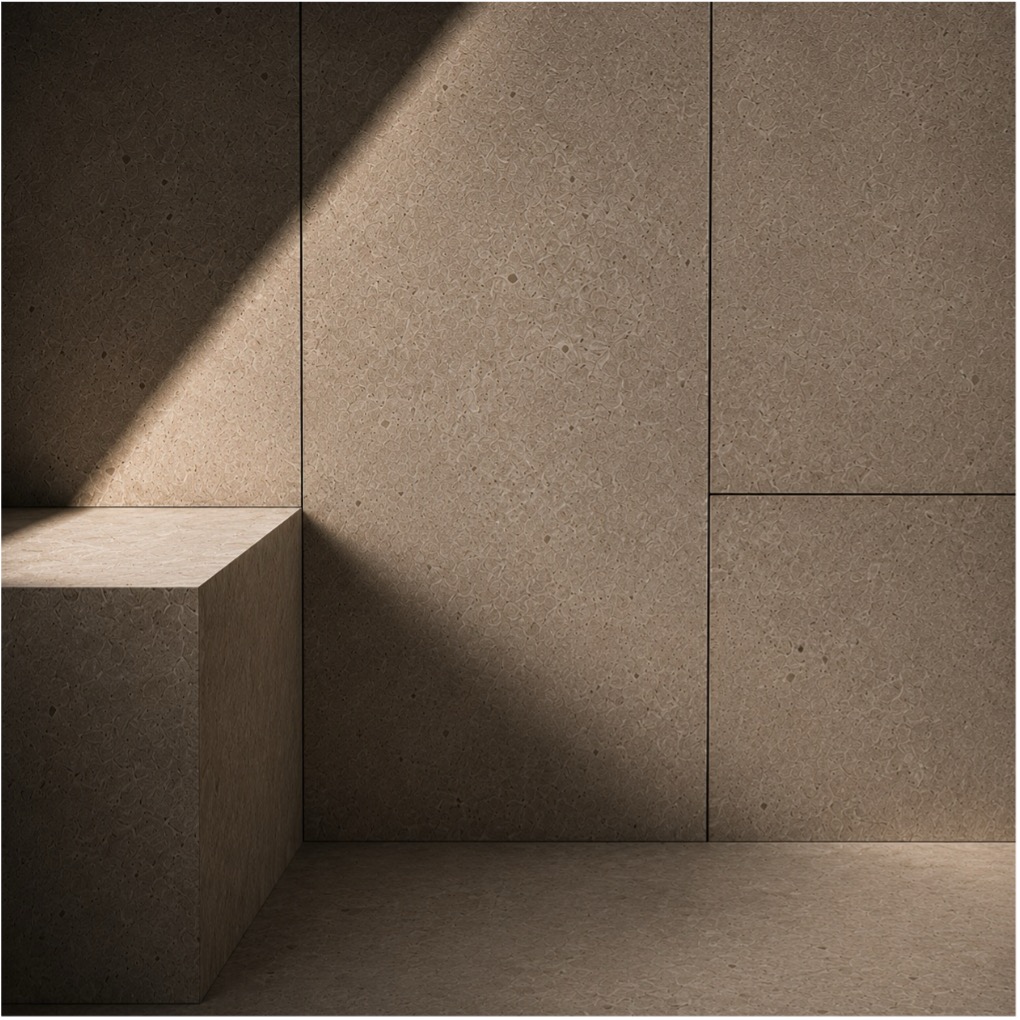
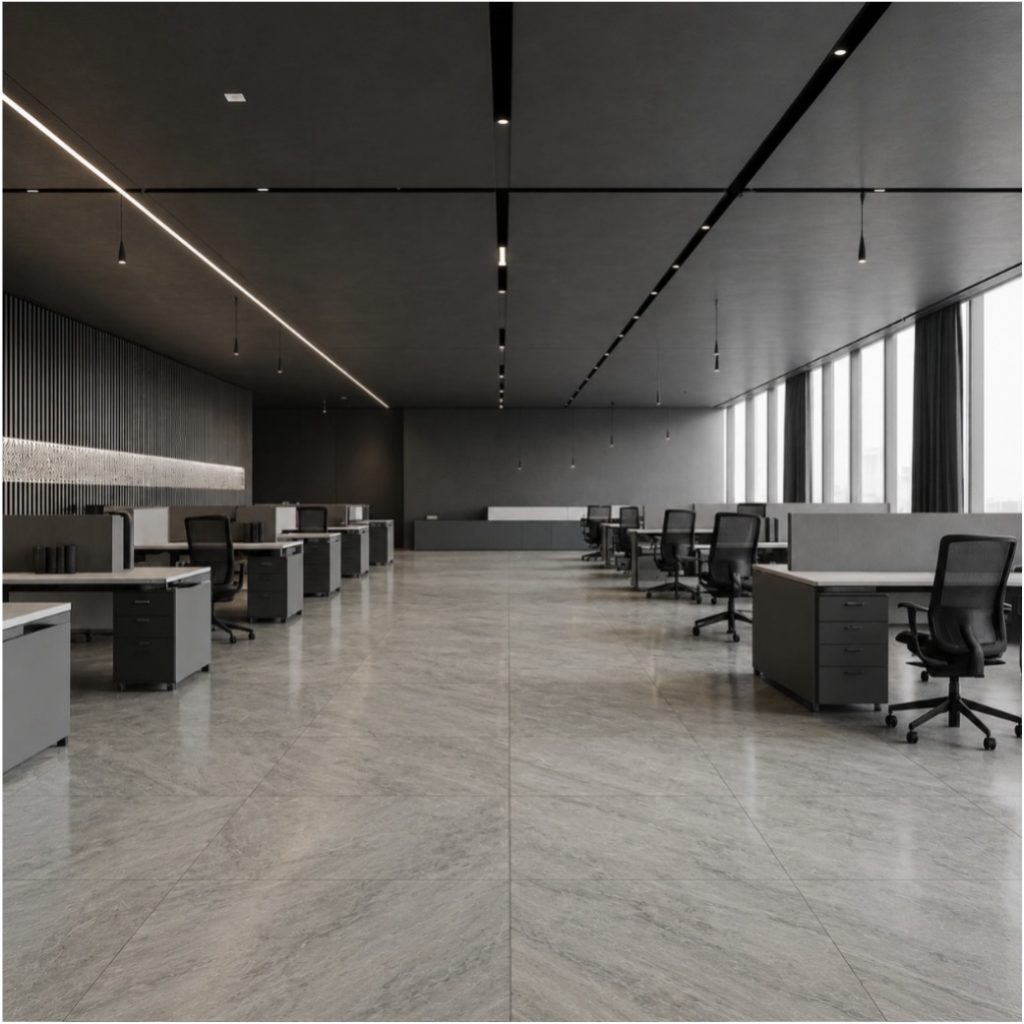
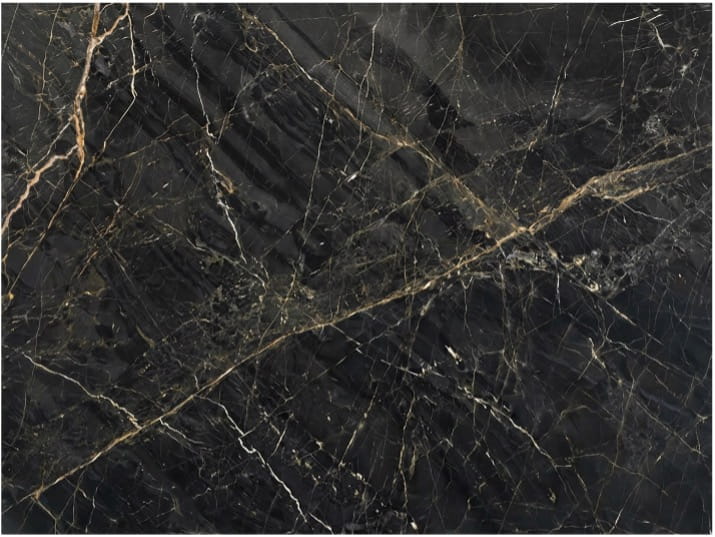
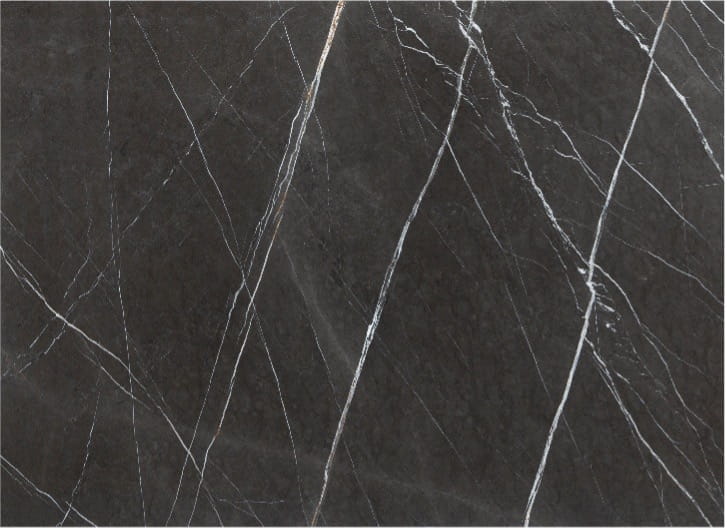
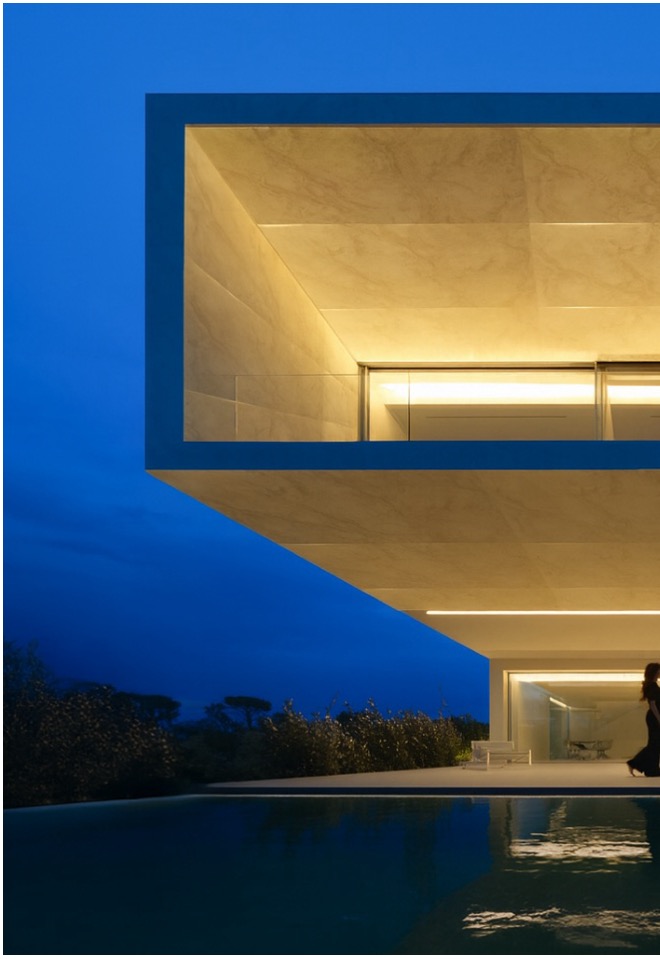
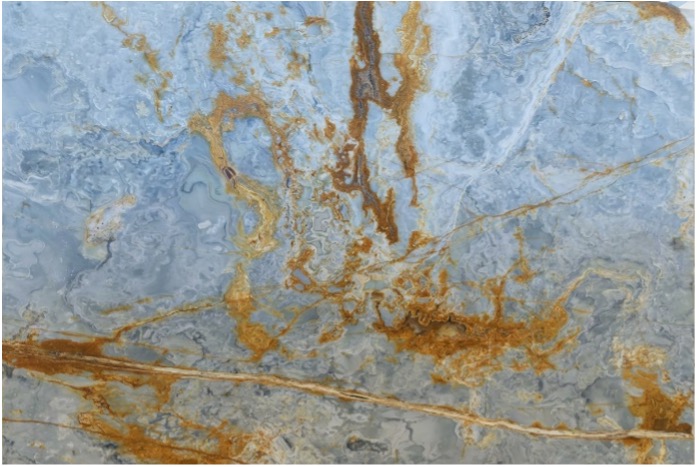
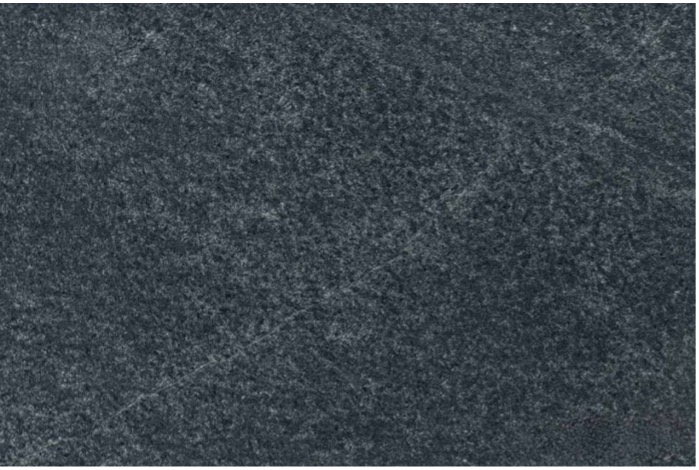
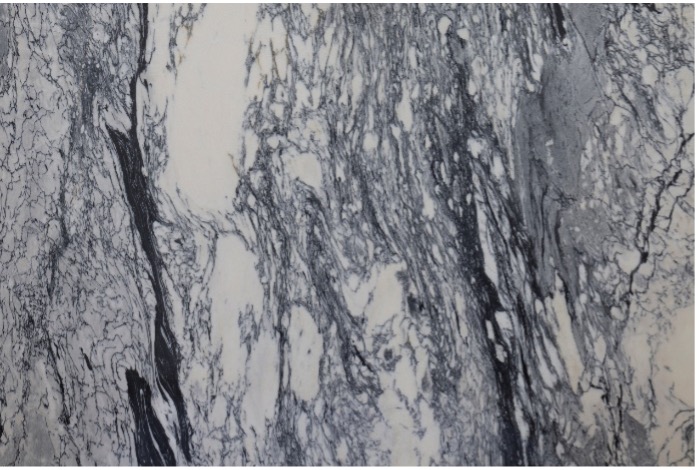
Natural stone is defined by variation. Unlike artificial materials produced under controlled repetition, each slab carries its own geological identity through shifts in color, veining, texture, movement, and mineral distribution. Yet in architecture and large-scale construction, understanding how much variation exists within a stone is just as important as the stone itself. This is where the concept of Uniformity becomes essential.
In natural stone specification, uniformity refers to the degree of visual consistency across slabs, tiles, or production batches. It influences not only the aesthetic character of a space, but also fabrication strategy, material selection, project coordination, installation sequencing, and long-term visual continuity.
For architects, designers, suppliers, and developers, understanding uniformity helps transform stone selection from a purely visual decision into a more controlled architectural process.
What Does Uniformity Mean in Natural Stone?
Uniformity describes the level of consistency in:
- Color tone
- Veining intensity
- Pattern distribution
- Surface movement
- Mineral concentration
- Visual rhythm across slabs or batches
A highly uniform stone presents a calmer and more continuous appearance, while a highly varied stone introduces stronger movement, contrast, and visual dynamism. Uniformity should not be confused with pattern. Two stones may share the same veined pattern language while having completely different levels of consistency and movement.
For example:
- A soft linear marble with subtle tonal shifts may appear highly uniform.
- Another marble with the same linear structure but dramatic contrast and unpredictable movement may be highly varied.
- Understanding this distinction is critical in architectural specification and material coordination.
Ardura Uniformity Classification Syste
To better evaluate the visual behavior of natural stone in architecture and project execution, Ardura classifies stone uniformity into four primary categories:
- Homogeneous
- Semi-Homogeneous
- Moderately Varied
- Highly Varied
This framework helps architects, suppliers, and project teams align material selection with spatial intention, fabrication strategy, and installation planning.
1. Homogeneous
Homogeneous stones maintain a highly consistent appearance across slabs and batches, with limited variation in tone, veining, and visual movement. These stones often create:
- Calm architectural atmospheres
- Seamless large-scale surfaces
- Minimal visual interruption
- Balanced light reflection
- Strong spatial continuity
Homogeneous materials are commonly preferred for:
- Minimalist interiors
- Luxury hospitality projects
- Healthcare environments
- Large flooring surfaces
- Contemporary residential architecture
From a procurement perspective, homogeneous stones can simplify:
- Batch matching
- Replacement continuity
- Large-volume coordination
- Installation sequencing
However, excessive uniformity may reduce the expressive character and natural individuality that many designers seek in premium natural stone.
2. Semi-Homogeneous
Semi-homogeneous stones retain an overall consistent visual identity while introducing moderate natural variation. These stones typically balance:
- Architectural calmness
- Natural authenticity
- Controlled visual movement
- Material depth
This category is often highly versatile in architecture because it combines continuity with enough variation to prevent spaces from feeling overly flat or artificial. Typical applications include:
- Residential interiors
- Hospitality flooring
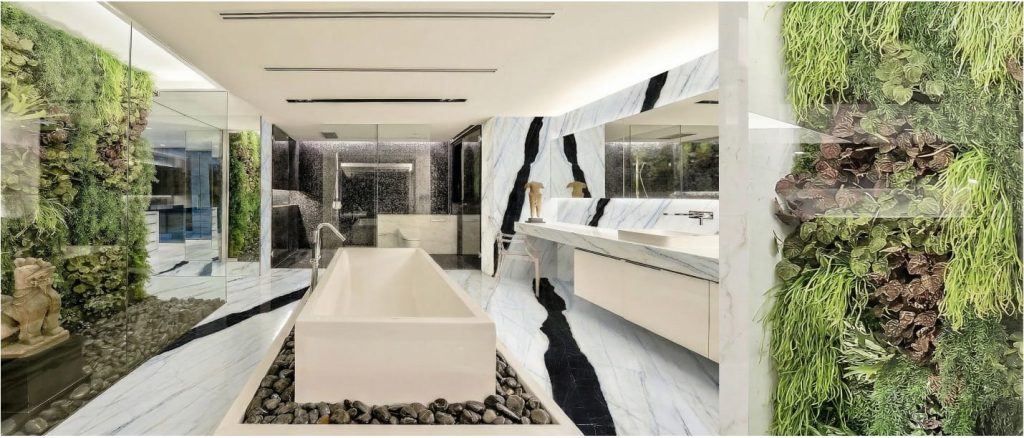
- Bathroom cladding
- Contemporary kitchens
- Commercial feature surfaces
Semi-homogeneous stones are frequently considered among the most adaptable options for projects seeking both consistency and natural character
3. Moderately Varied
Moderately varied stones introduce more noticeable movement, tonal transition, and visual contrast across slabs. In architecture, these materials begin to play a stronger role in shaping spatial identity rather than simply supporting it.
Their visual energy can:
- Increase depth perception
- Activate surfaces
- Introduce rhythm into large spaces
- Enhance focal areas
- Create more dynamic material compositions
Moderately varied stones are often suitable for:
- Feature walls
- Boutique hospitality projects
- Luxury residential spaces
- Statement flooring
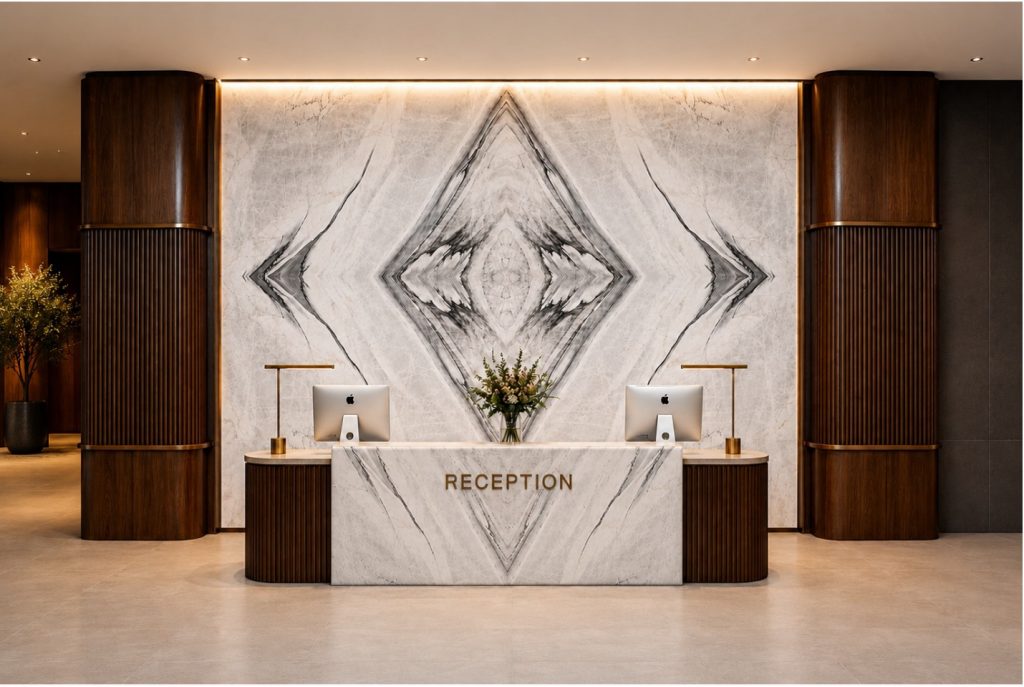
- Bookmatched compositions
At this level, slab selection and sequencing become increasingly important. Architects and fabricators may need to review slab layouts carefully to maintain visual harmony across connected surfaces.
4. Highly Varied
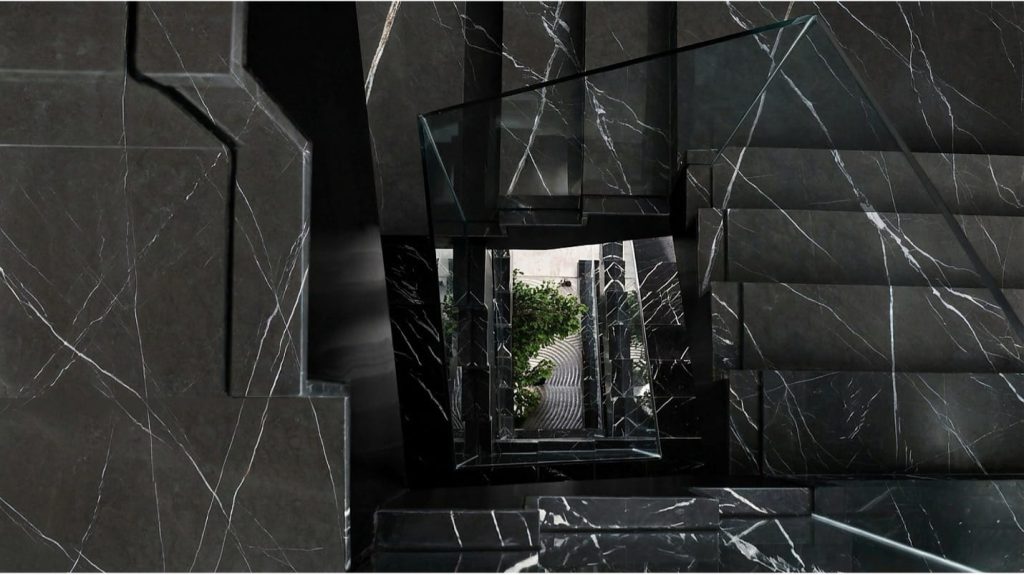
Highly varied stones contain dramatic shifts in movement, color intensity, veining, mineral activity, or pattern distribution. These materials are often selected specifically for their expressive and artistic qualities. Rather than acting as neutral architectural surfaces, they become focal design elements capable of defining the identity of a space.
Highly varied stones are frequently used in:
- Feature walls
- Sculptural applications
- Luxury villas
- Statement countertops
- Artistic hospitality interiors
- Large bookmatched installations
However, this category also introduces greater complexity in:
- Slab coordination
- Batch consistency
- Fabrication planning
- Vein alignment
- Client expectation management
Without proper slab review and sequencing, highly expressive stones may produce unintended visual discontinuity during installation. For this reason, close coordination between quarry selection, fabrication teams, designers, and installers become especially important.
Uniformity and Architectural Atmosphere
Uniformity directly influences how architecture is visually perceived.
Highly uniform stones tend to create:
- Calmness
- Simplicity
- Soft spatial continuity
- Minimal visual noise
These qualities are often associated with:
- Minimal architecture
- Wellness environments
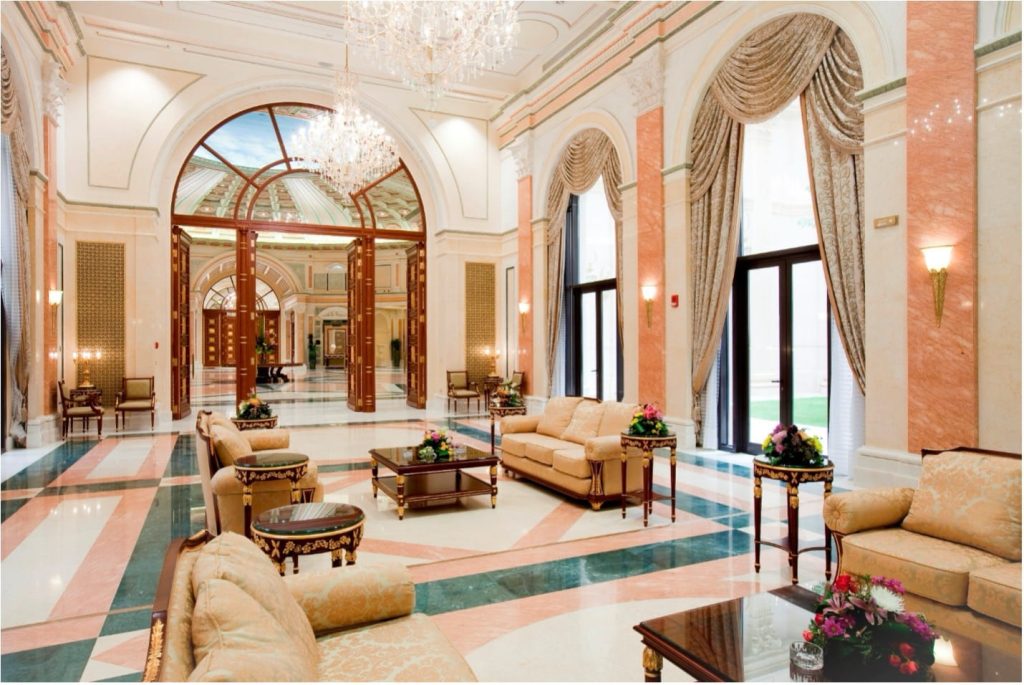
- Contemporary luxury interiors
In contrast, highly varied stones introduce:
- Drama
- Energy
- Material expression
- Spatial movement
- Strong visual identity
These qualities are commonly used in:
- Luxury hospitality
- Feature-driven interiors
- Sculptural spaces
- Statement architectural compositions
Neither approach is inherently superior. The appropriate level of uniformity depends on the architectural intention of the project.
Why Uniformity Matters in Procurement and Specification
In professional stone supply and large-scale construction, uniformity extends far beyond aesthetics.
It affects:
- Material forecasting
- Quarry block selection
- Production planning
- Batch continuity
- Installation sequencing
- Replacement capability
- Client approvals
For large projects, understanding uniformity helps reduce unexpected visual inconsistencies during installation. This becomes particularly important in:
- Large-format flooring
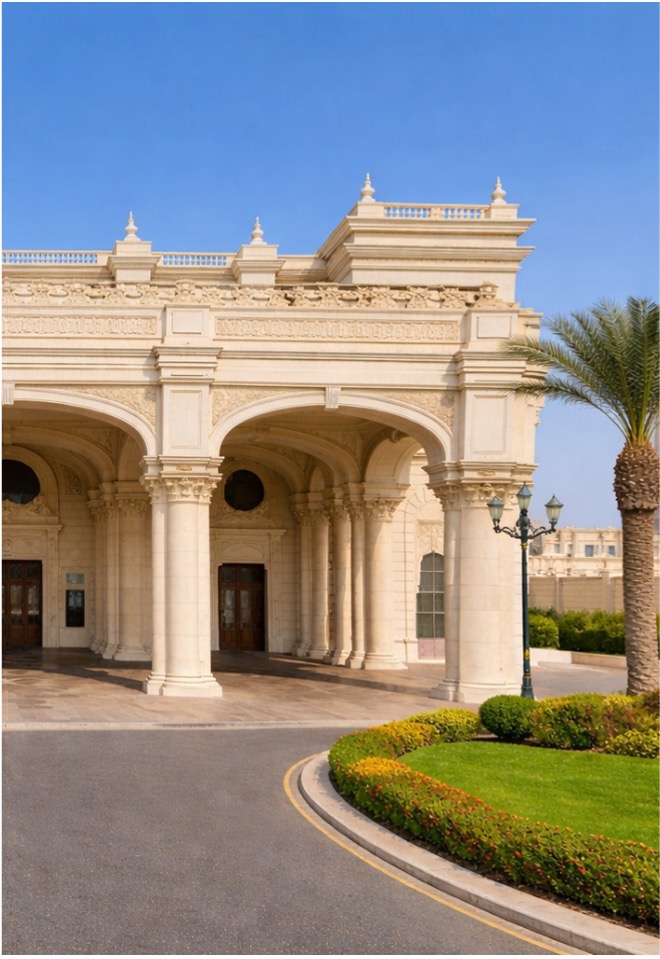
- Facade systems
- Hospitality developments
- Multi-phase projects
- Continuous wall cladding
A stone with uncontrolled variation may require:
- More slab selection time
- Additional fabrication coordination
- Higher material overage
- More detailed installation mapping
For this reason, professional specification increasingly depends not only on selecting a stone type, but also on understanding its visual behavior across production.
Uniformity Across Different Stone Types
Different natural stones inherently exhibit different levels of uniformity.
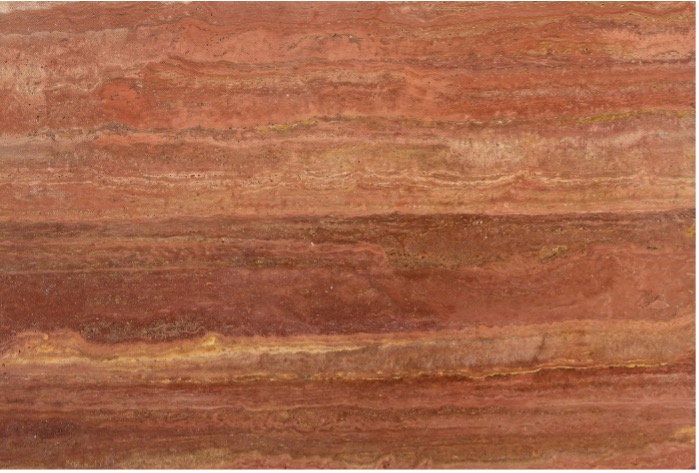
Travertine: Vein-cut travertines may appear highly directional and relatively controlled, while cross-cut selections often introduce more cloud-like variation.
Marble: Marbles can range from highly homogeneous crystalline whites to dramatically expressive veined surfaces.
Granite: Granites often display granular consistency but may still vary significantly in mineral concentration and movement.
Onyx is typically more expressive, with translucency and flowing mineral structures contributing to stronger variation.
Understanding these geological behaviors is essential when specifying stone for architectural applications.
Design Recommendations
Large Continuous Flooring
Homogeneous and semi-homogeneous stones often perform best due to smoother visual continuity.
Feature Walls
Moderately varied and highly varied stones can create stronger architectural identity and focal impact.
Bookmatching
Expressive stones with directional movement are often ideal for bookmatched compositions.
Minimalist Interiors
Controlled and balanced uniformity generally supports cleaner architectural language.
Luxury Hospitality
A strategic combination of calm background stones and expressive focal materials often creates the most balanced environments.
Conclusion
Uniformity is not about eliminating variation from natural stone. It is about understanding and controlling how variation behaves within architecture. When properly evaluated, uniformity becomes a powerful tool for:
- Architectural atmosphere
- Material specification
- Spatial continuity
- Procurement efficiency
- Fabrication coordination
- Long-term project consistency
As natural stone continues to play a larger role in contemporary architecture, understanding visual consistency is becoming increasingly important not only for designers, but also for suppliers, fabricators, and developers seeking greater precision in material selection and execution.